
Blog, Fire Season, News, Tips and Tricks
Best Braai & BBQ Wood Across Australia: A Comprehensive Guide
May
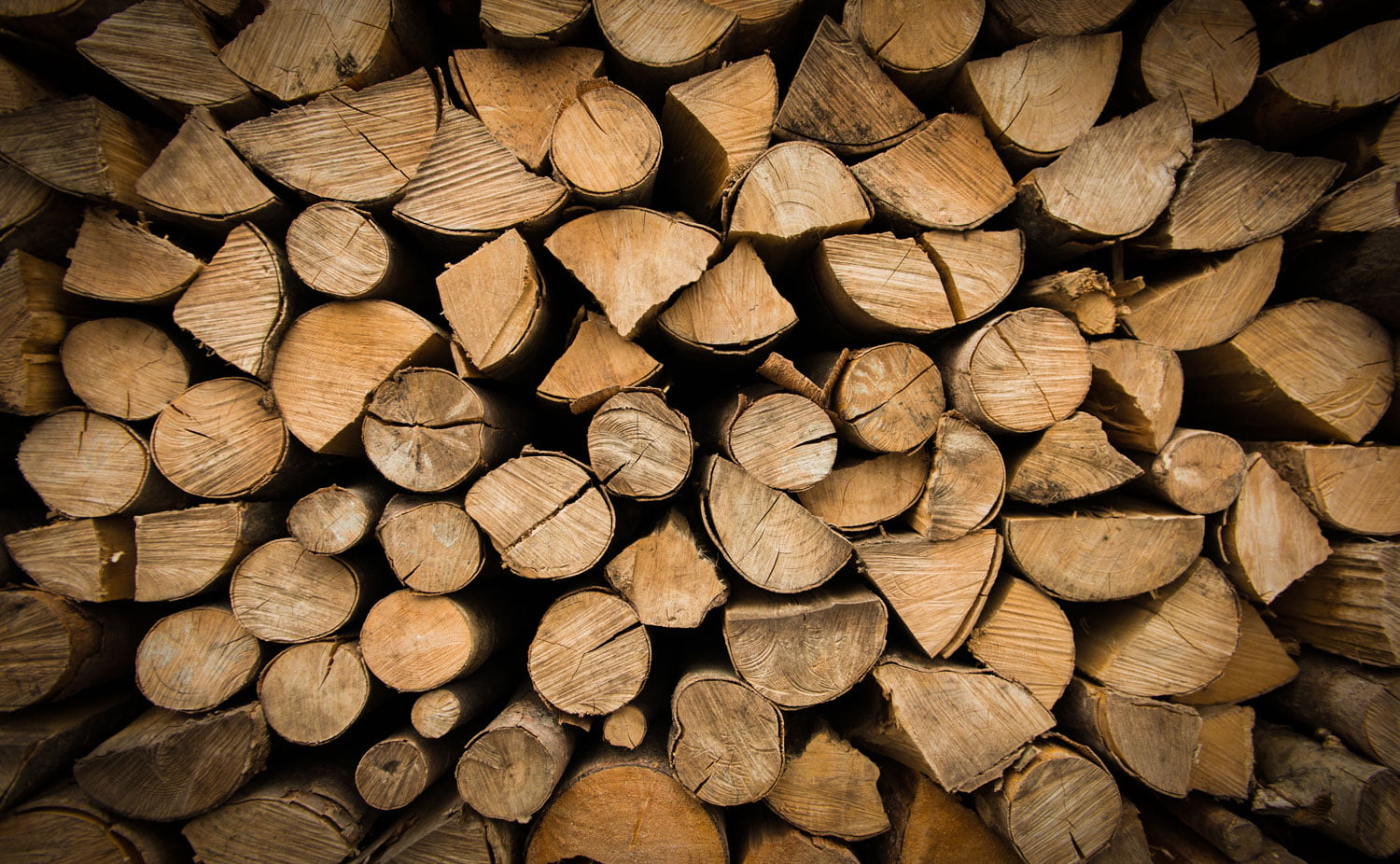
Choosing the suitable wood for your Braai is crucial for a successful Braai and ensuring sustainable practice. This guide details the best woods for Braai by state, considering their availability, coal longevity, and the unique flavours they impart.
Understanding the Science of Wood for Braai
The type of wood you choose can significantly influence your food’s flavour and cooking efficiency. Wood types differ in their burning characteristics:
- Density and Hardness: Denser woods tend to burn slower and hotter, making them ideal for creating long-lasting coals.
- Moisture Content: Well-seasoned wood, which has been dried over time, burns more efficiently and produces a consistent heat.
- Smoke Profile: Different woods release distinct flavours when burned, affecting the taste of the cooked food.
Selection of Best Braai Wood Based on Availability
The woods listed below are sorted by availability within each state, from most to least readily available. However, availability does not always align with personal preference. For example, while Ironbark is widely available and highly effective, some may prefer the longevity of the coals and the flavour profile of River Red Gum, which might be less accessible.
WARNING: Those yellow bags of wood you buy from the servos ARE NOT braai wood. That is to fix the potholes in the road!
Now Available in Australia: Sekelbos & Camelthorn: South Africa’s Finest Braai Wood
At OZ Braai, we’re excited to announce that we now stock Sekelbos and Camelthorntwo of the most sought-after hardwoods straight from South Africa. These legendary woods are known for their long-lasting burn, intense heat, and the unmistakable aroma they add to any braai.
- Sekelbos is a dense, dry hardwood that burns with a steady flame and delivers consistent heat. It’s perfect for achieving those rich, smoky flavours that turn any braai into a feast.
- Camelthorn (Kameeldoring) is revered in South Africa for its superior heat output and exceptionally long burn time, making it ideal for larger cuts like ribs, brisket, or lamb shanks.
Adding this wood to your next braai isn’t just about cooking, it’s about bringing a piece of home to your fire. Whether you’re reliving childhood memories or introducing mates to the real deal, these hardwoods deliver an authentic braai experience unlike anything else you’ll find in Australia.
You can now grab Sekelbos and Camelthorn in-store or onlineand many of our customers have been pairing their wood purchase with our spice blends, tongs, and FireChef knives to complete their setup.
Australian Firewood Identification
Buying wood is one thing. Knowing what you have actually collected or been handed is another, especially when someone drops a random ute-load in your driveway. A few simple checks will tell you whether a log belongs on your braai or on the burn pile.
- Weight and density: Pick the piece up. Good braai hardwoods like Ironbark, Jarrah, Red Gum and Gidgee feel heavy for their size. If a log feels light and airy, it will burn fast and give you little coal.
- Bark and grain: Ironbark has deep, hard, furrowed bark that stays on the trunk. Red Gum shows a smooth, mottled surface with reddish heartwood. Jarrah carries a deep red to brown grain. Learning the local species in your area is the fastest way to shop with confidence.
- The knock test: Tap two dry logs together. Well-seasoned wood gives a sharp, ringing sound. A dull thud usually means the wood is still holding moisture and needs more time to dry.
- Checking and cracks: Seasoned wood tends to show splits radiating from the centre of the cut end. Fresh, green wood looks smooth and often feels damp to the touch.
- Smell: A clean, woody smell is a good sign. Avoid anything that smells of paint, glue, chemicals or mould, and never burn treated or painted timber. Those fumes are toxic.
When in doubt, keep your hands clear of any splintered ends, and wear gloves when handling rough-cut logs to avoid splinters and the odd redback hiding in the woodpile.
If you would rather skip the guesswork on a weeknight, a bag of Gidgee Charcoal gives you dense, long-burning coals with very little fuss. Gidgee is one of the hardest Australian timbers, so the charcoal holds heat well for slower cooks. To get it going quickly and evenly, a charcoal chimney is hard to beat: load it, light it from below, and let the draught do the work. Set the chimney on a non-flammable surface, keep it away from anything that can catch, and always use a heatproof glove or the insulated handle when you tip the glowing coals out, because the metal gets extremely hot.
Best Braai Wood by State
New South Wales (NSW)
1. Ironbark (Eucalyptus crebra): Widely available. Coal longevity: Medium. Ideal for consistent, high heat.
2. River Red Gum (Eucalyptus camaldulensis): Common along the Murray River. Coal longevity: Long. It is preferred for its robust flavour.
3. Yellow Box (Eucalyptus melliodora): Moderately available. Coal longevity: Medium. Known for its sweet, mild smoke.
4. Red Box (Eucalyptus polyanthemos): Similar to Yellow Box. Coal longevity: Medium. Burns slowly for steady heat.
5. Black Wattle (Acacia mearnsii): Common in cooler climates. Coal longevity: Long. Valued for quick heating and aromatic smoke.
Free recipe ebook
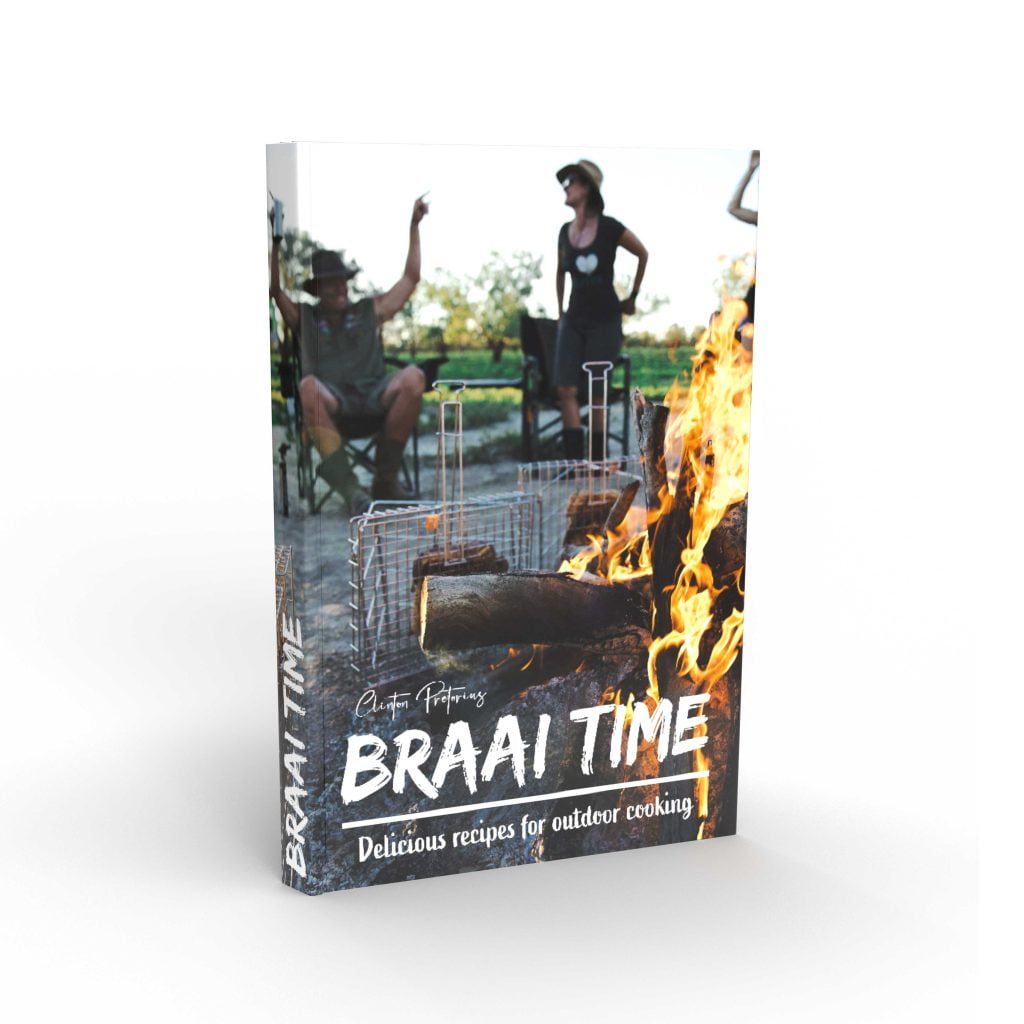
Get our free braai recipe ebook
Braai Time: South African recipes, techniques and cuts, sent straight to your inbox.
6. Sheoak (Allocasuarina spp.): Less common. Coal longevity: Short. Provides a light, sweet smoke perfect for poultry and seafood.
Queensland (QLD)
1. Ironbark (Eucalyptus crebra): Abundant. Coal longevity: Medium. High heat output for extensive cooking.
2. Blue Gum (Eucalyptus globulus): Commonly available. Coal longevity: Medium. Produces a clean, mild flavour.
3. Moreton Bay Chestnut (Castanospermum australe): Found near coastal regions. Coal longevity: Medium. Excellent for smoking.
4. Mango Wood: Found in tropical regions. Coal longevity: Short. It adds a unique, sweet tropical flavour.
5. Acacia: Not as common. Coal longevity: Medium. Offers neutral smoke suitable for various meats.
Victoria (VIC)
1. Red Gum (Eucalyptus camaldulensis): Highly favored. Coal longevity: Long. Produces robust flavour and good heat.
2. Messmate (Eucalyptus obliqua): Widely available. Coal longevity: Medium. Intense flavour and consistent burn.
3. Black Wattle (Acacia mearnsii): Good for quick grills. Coal longevity: Long. Imparts a nice flavour.
4. Apple Wood: Less common. Coal longevity: Short. Perfect for white meats and pork with its subtle, sweet smoke.
South Australia (SA)
1. Red Gum (Eucalyptus camaldulensis): Very common. Coal longevity: Long. Known for robust and lasting heat.
2. Mallee Roots (Eucalyptus spp.): Common in arid regions. Coal longevity: Long. Intense heat with minimal smoke.
3. Stringybark (Eucalyptus obliqua): Available in specific areas. Coal longevity: Medium. Offers hearty smoke.
Western Australia (WA)
1. Jarrah (Eucalyptus marginata): Extremely dense. Coal longevity: Long. Known for long-lasting burn.
2. Marri (Corymbia calophylla): Less common than Jarrah. Coal longevity: Medium. Lighter smoke.
3. Sheoak (Allocasuarina spp.): Unique, mild flavour. Coal longevity: Short. Less commonly used.
Tasmania (TAS)
1. Tasmanian Oak (Eucalyptus regnans): Widely available. Coal longevity: Medium. Burns clean with mild smoke.
2. Black Wattle (Acacia mearnsii): Available in suitable habitats. Coal longevity: Long. Less commonly used for firewood.
Northern Territory (NT)
1. Gum Trees (Various Eucalyptus spp.): Widely available. Coal longevity: Medium. Good heat.
2. Ironwood (Acacia estrophiolata): Found mostly in central regions. Coal longevity: Long. Very dense, significant heat.
Australian Capital Territory (ACT)
1. Ironbark (Eucalyptus crebra) and Red Gum (Eucalyptus camaldulensis): Sourced from nearby NSW. Coal longevity: Medium and Long, respectively. Reliable for consistent and long burns.
Sustainable Sourcing and Legal Considerations
Always ensure that your wood is sourced responsibly to minimize environmental impact. Opt for woods from sustainably managed forests or reputable suppliers who adhere to local regulations. Some woods, like certain native species, may be protected under local conservation laws, so it’s crucial to be informed about and compliant with such regulations.
Conclusion
This guide provides a detailed overview of the best woods for Braai across Australia, helping you choose based on coal longevity and local availability. By selecting the appropriate wood, you enhance both the flavour and efficiency of your Braai, ensuring those guests come back when you invite them for the next braai. Remember, suitable wood can make all the difference to your Braai, turning a good meal into a great one.
Shop the Gear