
Blog
What No One Talks About When Immigrating to a New Country
Jun
Key takeaways
- The quiet, unnamed grief of leaving home, known as ambiguous loss or migratory grief, is the part of immigrating no one warns you about.
- A braai is about community and ritual, not just meat, which is why South Africans miss it so deeply after moving abroad.
- The 2021 Census recorded 189,207 South African-born residents in Australia, so the community is larger and closer than it first feels.
- Recreating familiar flavours and lighting a fire on weekends are small rituals that rebuild belonging in a new country.
- Always check state and council fire rules, including total fire bans, before braaing in an Australian backyard.
The hardest part of leaving South Africa was not the packing or the paperwork. It was the first Sunday in Australia when the afternoon went quiet, and there was no one to call over, no woodsmoke drifting across the fence, no familiar voice arguing about whether the coals were ready. You arrive with your suitcases and your plans. What no one tells you is that you also arrive carrying a kind of grief that has no funeral and no name.
This is the part of immigrating that does not make it into the visa checklists or the highlight reels. The brave decision, the new job, the bigger backyard, all real. And underneath it, a quiet ache that takes most people by surprise. If you have felt it, you are not ungrateful and you have not made a mistake. You are simply human, and you have lost more than a postcode.
The part no one warns you about
The hardest part of immigrating is the quiet, unnamed grief of losing your community, your routines, and your sense of belonging, all while everyone around you expects you to feel lucky. Psychologists have a name for it: ambiguous loss, or migratory grief. It is the grief of leaving people and places who are still very much alive, just suddenly far away. There is no ceremony for it, so you push it down, smile for the camera, and post the photo that says you are living the dream.
It shows up in small, sideways moments. A song on the radio. The smell of rain on hot tar. Reaching for your phone to call your mother before remembering the time difference. You can love your new life and still mourn the old one. Both feelings live in the same chest, and learning to hold them together is most of the work of the first few years.
What helps is not pretending the loss away. It is finding the threads that connect your old life to your new one, and pulling them through on purpose. For a lot of South Africans, one of those threads is fire.
Why a braai carries more than meat
A braai was never really about the meat. Back home it was the standing invitation, the reason the whole street drifted into one backyard on a Sunday, the slow afternoon where nobody checked the time. The fire was the excuse and the gathering was the point. When you immigrate, you do not just miss the boerewors. You miss the easy, unplanned togetherness that the fire used to organise for you.
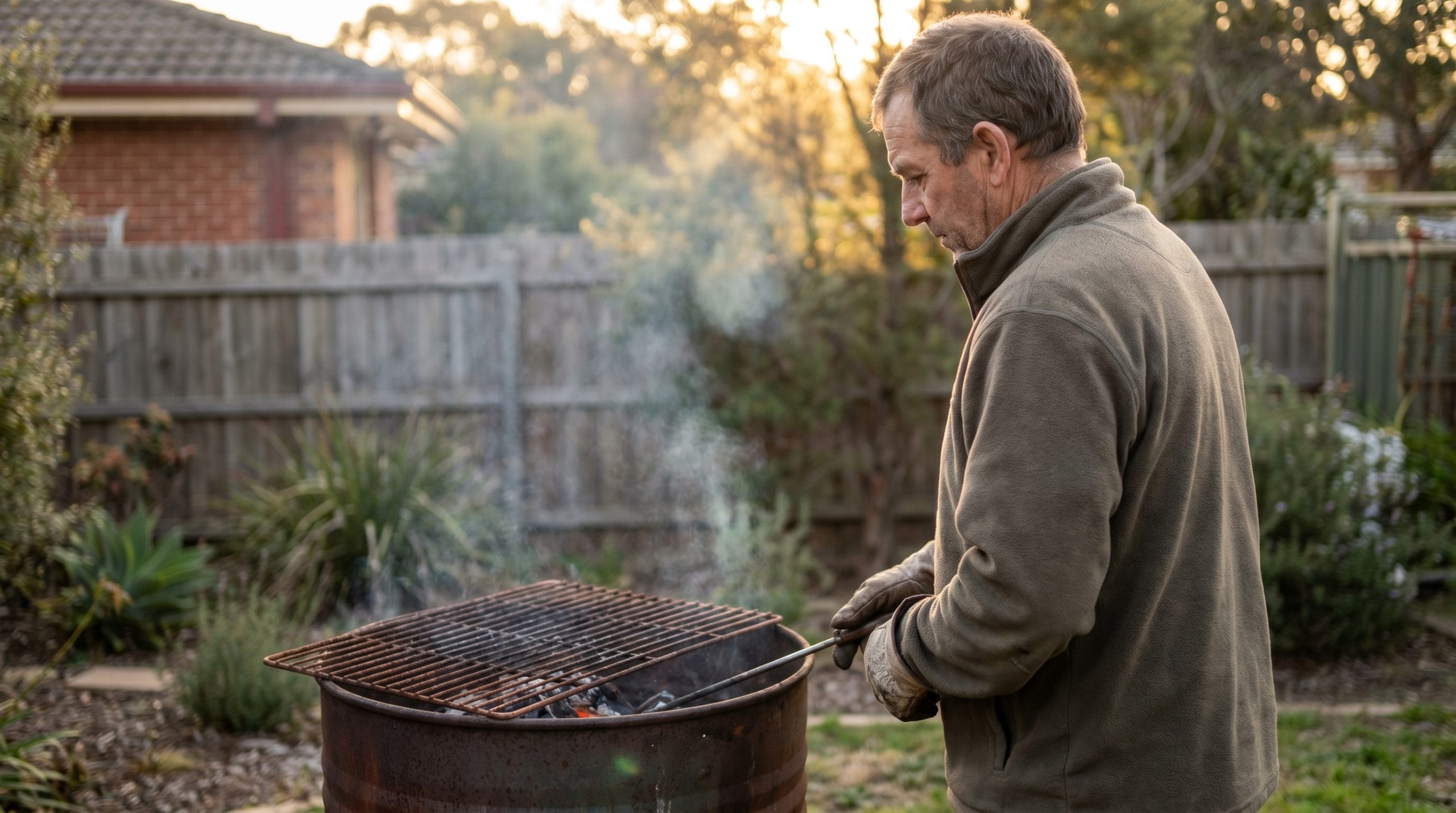
That is why building a braai into your new Australian life matters more than it looks. Lighting a fire on a Saturday afternoon is a small act of continuity. It says: this part of who we are comes with us. The kids grow up knowing the smell of woodsmoke and the patience of waiting for proper coals. The ritual survives the move, even when the address changes.
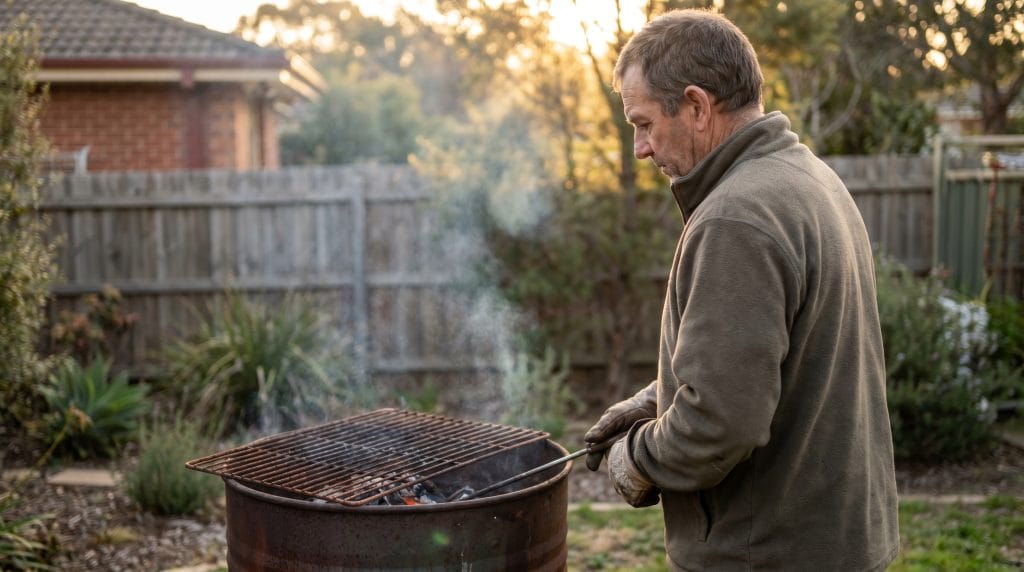
A good fire and a flat grid that sits square on the drum is most of what you need. A Braai Grid and Tripod Bundle or a fixed Patio Braai turns an ordinary backyard into the gathering place you have been missing, and a proper pair of Donkey Long Tongs keeps you in command of the coals without scorching your knuckles.
You are less alone than that first Sunday feels
You are part of a large and growing South African community in Australia, even if it does not feel that way at first. The 2021 Census recorded 189,207 people living in Australia who were born in South Africa, around 0.7 per cent of the population, with strong communities across Perth, Sydney, Melbourne, Brisbane and the Gold Coast. Most of those families arrived in the last few decades, which means almost everyone around you understands the homesickness firsthand.
Finding them is often as simple as starting the fire. Invite the new neighbours. Say yes to the braai at someone’s place even when you would rather stay in. Join a local South African social group, a church, a kids’ sport club, a biltong supplier’s mailing list. Community rarely arrives fully formed. You build it one Saturday at a time, the same way you did at home, except this time you get to choose who gathers.
Small rituals that taste like home
The fastest way to feel grounded in a new country is to recreate the flavours your body remembers. Taste is memory. The first bite of a proper braaibroodjie, cheese and tomato and onion pressed golden in a folding grid, can put you right back in a Highveld backyard. So can the smell of boerewors curling on the coals, or a coffee tin of your mum’s spice blend.
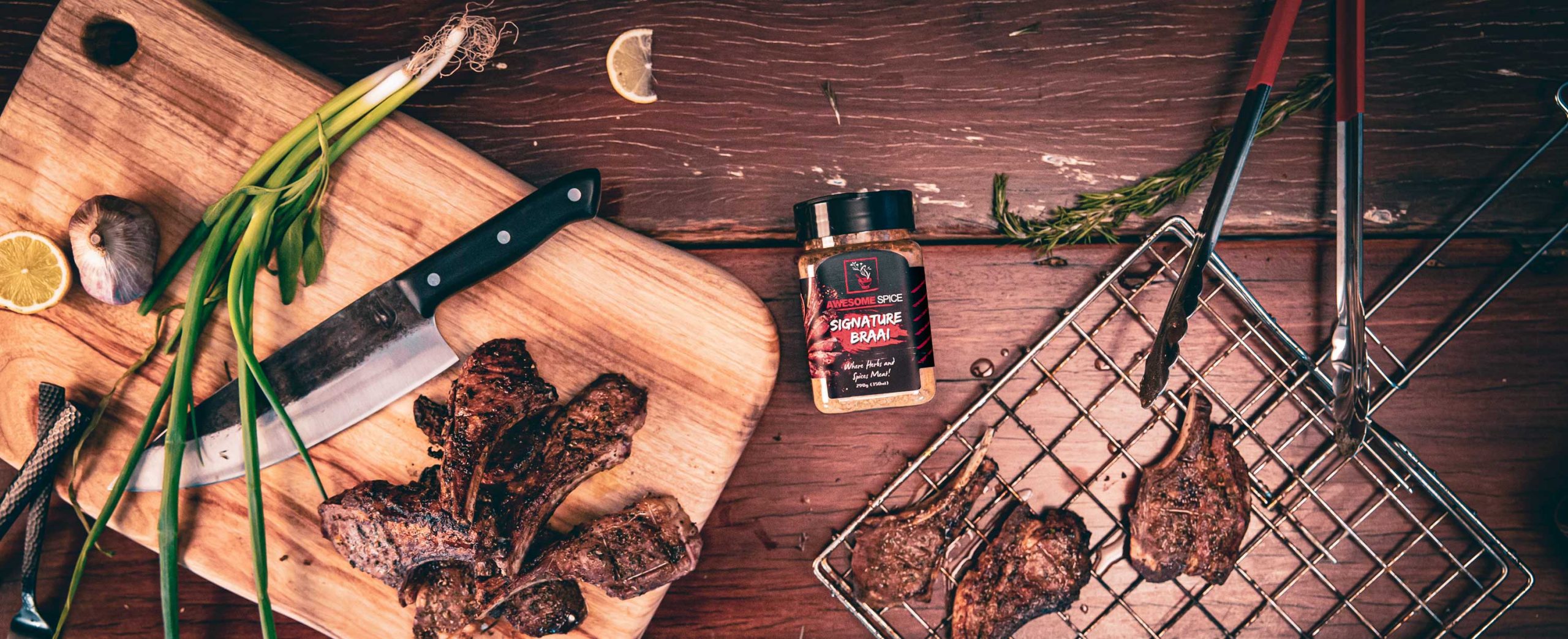
This is where the right pantry earns its place. A jar of Signature Braai Spice or the Awesome Spice Braaisentials set carries a flavour that supermarket shelves here cannot quite match, and it makes the dishes you grew up on taste like themselves again. Start with the classics that everyone recognises: our traditional braaibroodjies and a proper boerewors roll with caramelised onion and tomato relish. Make them once and you will see how quickly the homesickness softens.

Free recipe ebook
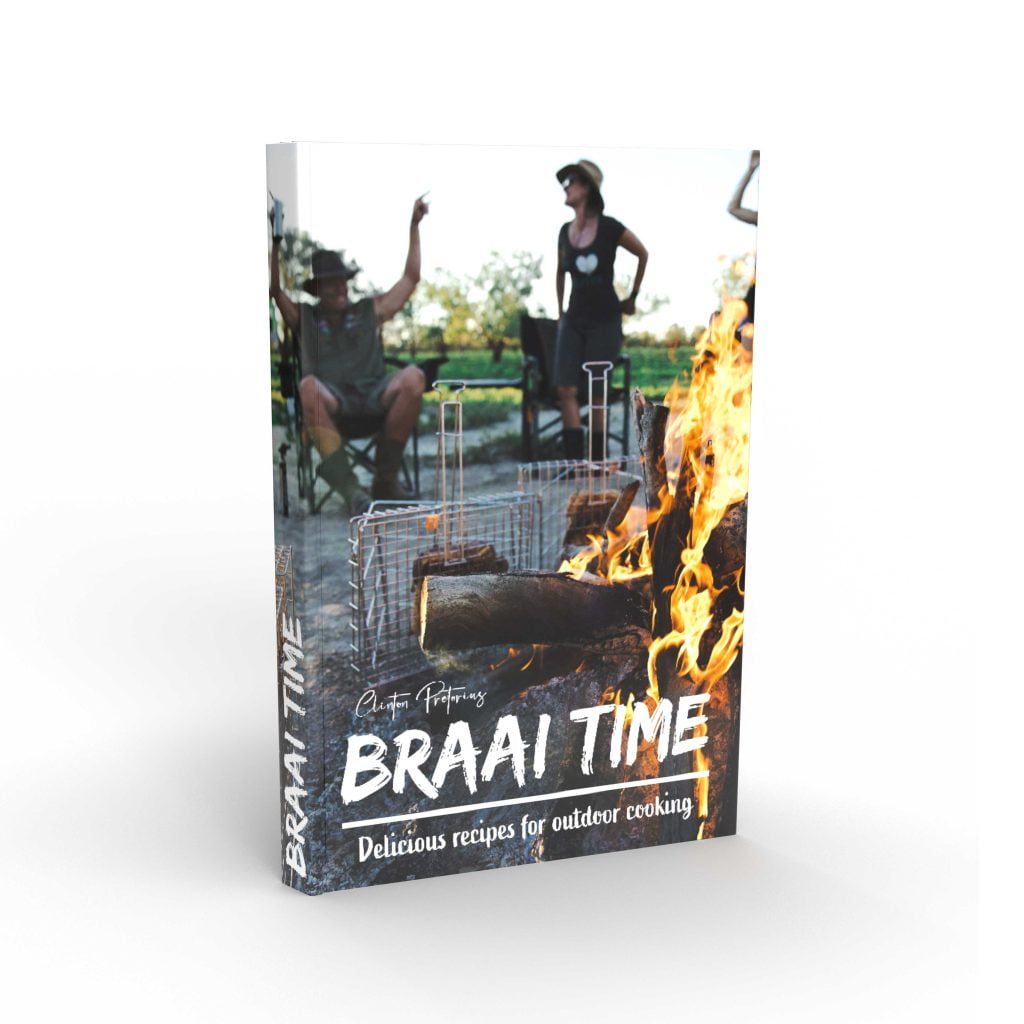
Get our free braai recipe ebook
Braai Time: South African recipes, techniques and cuts, sent straight to your inbox.
What actually happens at the braai
The real value of a braai is the tempo, not the technique. Someone takes charge of the fire, and from that moment the afternoon slows down. You do not rush coals. You wait for the flames to drop and the wood to settle into a steady, grey-edged glow, and that waiting is where the conversation happens. People drift over with a drink, lean on the fence, and talk in a way they never quite manage indoors.
That is the bit that rebuilds a life. The cook turns the meat and pretends the timing is a fine art. The kids run underfoot. Someone brings a salad and a story. By the time the food comes off the grid, you have done the quiet, ordinary work of belonging somewhere. The braai gives shy new friendships a reason to sit still long enough to grow.
If you are short on space or always on the move between rentals, a Compact Braai does the same job on a balcony or at a park. The point is never the size of the fire. It is that you keep lighting one.
Frequently asked questions
What is migratory grief?
Migratory grief is the sadness and sense of loss that comes from leaving behind your country, culture, family and familiar routines, even when the move was a positive choice. Researchers often describe it as a form of ambiguous loss, because the people and places you miss are still there, just out of reach, so the grief is rarely acknowledged or talked about openly.
Why do South Africans miss the braai so much after moving?
South Africans miss the braai because it represents community and ritual, not just food. Back home the fire was the weekly reason friends and family gathered without a formal invitation. After immigrating, people miss that easy togetherness as much as the boerewors, which is why rebuilding the braai habit helps so much with settling in.
How do I find a South African community in Australia?
Start local and start small. Join South African social and church groups in your city, follow biltong and boerewors suppliers, sign up to community events around Heritage Day in September, and invite neighbours to a braai of your own. With nearly 190,000 South African-born residents spread across the major cities, there is almost always a community closer than you think.
Can I have a braai in an Australian backyard?
Yes, in most cases, as long as you follow local rules. Solid-fuel braais are common in Australian backyards, but fire restrictions and total fire bans apply at certain times, especially over summer. Always check your state fire authority and any council or rental rules before you light up, and keep water close by.
The fire comes with you
Immigrating asks you to grieve quietly while you build loudly. Nobody hands you a guide for that. But the small, stubborn rituals are what carry you through, and few are as portable or as powerful as gathering people around a fire. You cannot pack your old street into a suitcase. You can light a braai on a Saturday in Australia and watch a new version of that street slowly form around it.
Shop the gear: Build your gathering place with the Braai Grid and Tripod Bundle, keep the flavours of home close with Signature Braai Spice, and tend the coals like you mean it with the Donkey Long Tong.