
Jun
Key takeaways
- The braai master runs the fire from start to finish, and you never touch their tongs uninvited.
- A braai is the gathering, not just the cooking: arrive early, graze on snacks, and eat when the fire is ready.
- The fire sets the pace, so light early and let the coals settle to an even, ashy glow before cooking.
- Check for total fire bans before lighting any open wood or charcoal fire in Australia.
- Keeping the rules alive is how the heritage travels: pass them on to mates and kids.
You can be a long way from home and still know exactly how a braai is meant to run. The fire goes on before anyone is hungry. A drink finds your hand in the first five minutes. Someone is leaning on the braai with a pair of tongs, and everyone else has quietly agreed that those tongs are not theirs to touch. None of this is written down. It does not need to be. South Africans carry the braai code the way you carry an accent: without thinking, until an Australian friend asks why nobody is eating yet at four in the afternoon.
This is a guide to those unwritten rules, what they actually mean, and how to keep them alive in an Aussie backyard without sounding like you are reciting a rulebook.
What is the braai code?
The braai code is the set of unspoken rules that govern how a South African braai runs, from who controls the fire to when you finally sit down to eat. It is part etiquette, part heritage, and part long-running family joke. The rules are rarely stated out loud, which is exactly why they survive. You learn them by standing next to the fire as a kid, watching your father or your uncle work the coals, and slowly understanding that a braai is a social ritual first and a meal second.
It helps to know the difference up front. A braai is not a barbecue with a different accent. The barbecue is the meal; the braai is the gathering, the fire, the afternoon and the people, with the food as the happy result. Get that distinction and the rules below stop looking like superstition and start looking like good sense.
The unwritten rules, and what they really mean
Here are the rules most South Africans would recognise instantly, along with the reasoning underneath each one.
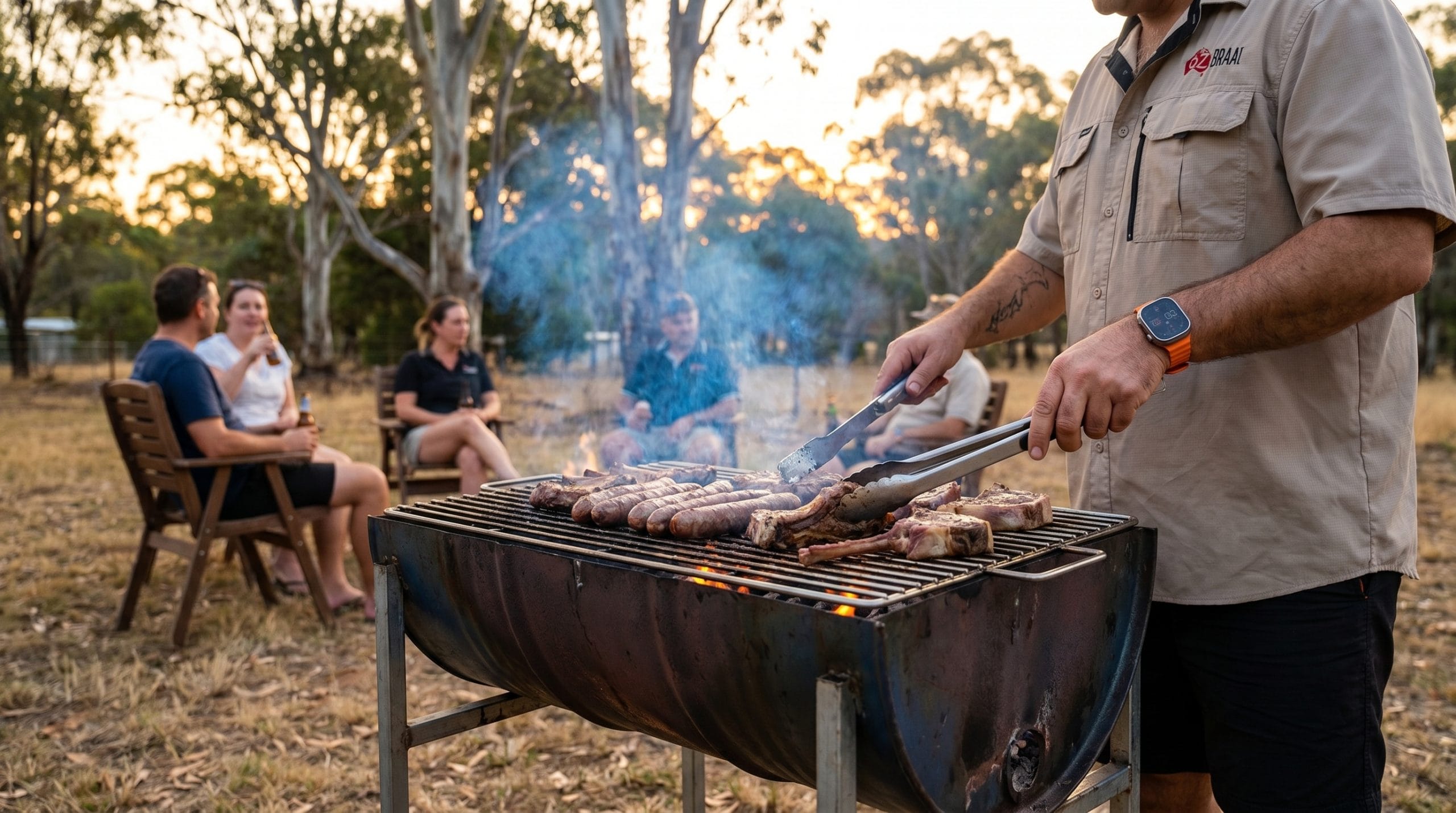
- The host is the braai master, and the braai master runs the fire. Whoever lights the fire owns the cooking from start to finish. Offering unsolicited advice on someone else’s coals is the quickest way to break the mood. This one is less about ego than about responsibility: one person reads the fire all afternoon so the meat lands right.
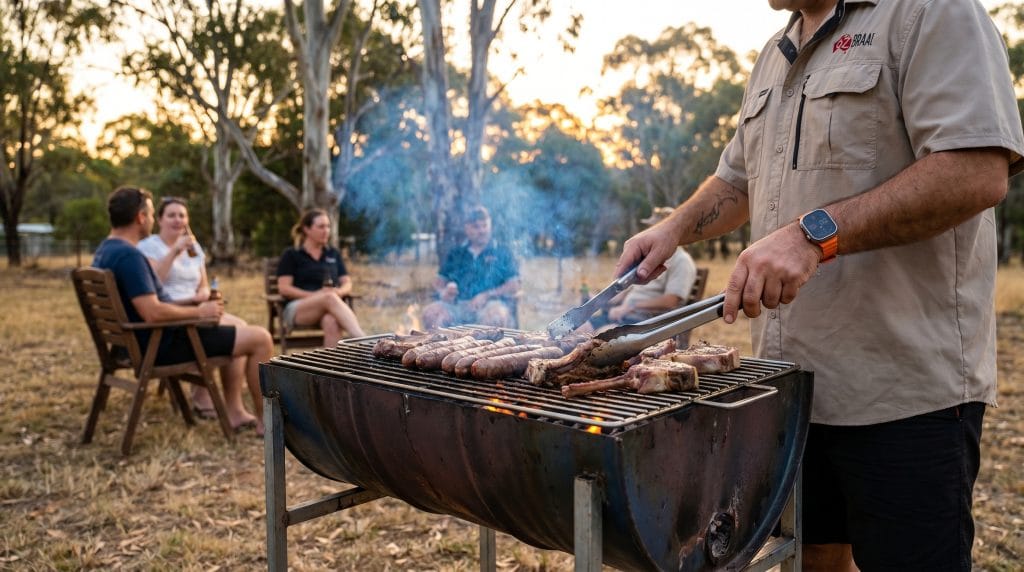
- Never touch another person’s tongs. The tongs are the braai master’s staff of office. You do not pick them up uninvited, and you certainly do not start flipping wors when their back is turned. If the tongs are handed to you, that is a genuine honour, and you are now responsible for whatever happens next.
- The fire is ready when it is ready. There is no clock on the wall that matters. You wait for the flames to drop and the coals to settle into an even, ashy glow before any meat goes on. Rushing the fire is how you end up with charred outsides and raw middles.
- Arrive early, eat late. A lunchtime braai rarely means lunchtime food. You come for the company, you graze on snacks, and the main meal arrives when it arrives. Turning up starving and expecting to eat on the hour is a beginner’s mistake.
- Bring the right contribution. Boerewors, chops, steak and a side that travels well are all welcome. Turning up empty-handed is poor form, and so is bringing something that hijacks the braai master’s whole timing.
- Salad is welcome, but it is not the point. Nobody drove across town for a bowl of leaves. A good braai still wants a proper spread of sides, a braaibroodjie on the grid and a potato salad on the table, with the salad as a polite nod to balance.
Spend an afternoon at a braai and you will notice these rules are really about one thing: making sure everyone relaxes and nobody is in a hurry. The fire sets the pace, and the pace is slow on purpose.
Why the rules matter more when you are far from home
The braai code matters most when you are the only one in the street who grew up with it. In South Africa the rules are background noise. In Australia they become something you actively choose to keep, and that choice is how a tradition survives a move across the ocean.
There is real comfort in it. The smell of wood smoke and the sound of tongs against a grid can put you straight back in a Highveld garden, even when the gum trees and the heat tell you that you are firmly in Australia. Teaching an Aussie mate why he should not touch your tongs, or watching your kids work out that the fire runs on its own time, is how the whole thing gets passed on. The rules are the carrier. The heritage is the cargo.
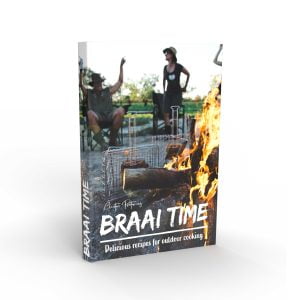
Free recipe ebook
Get our free braai recipe ebook
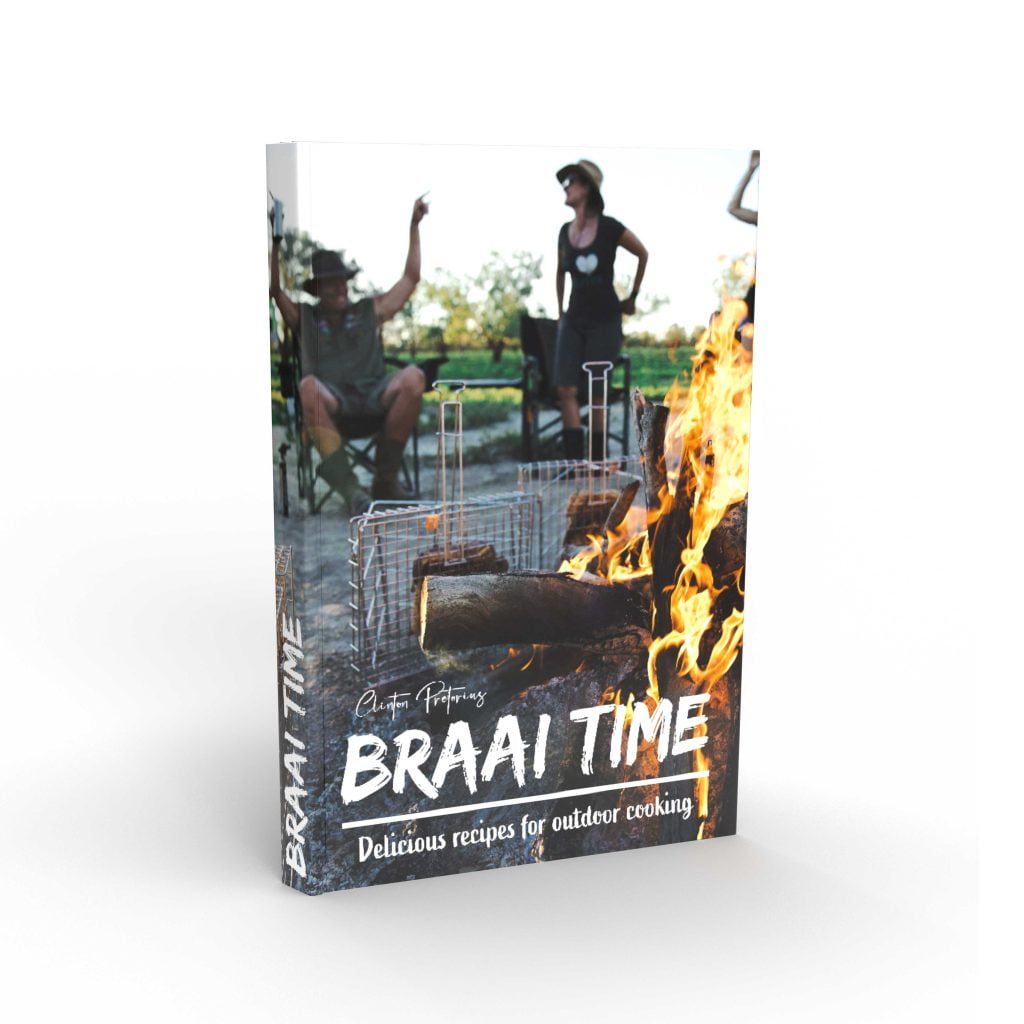
Braai Time: South African recipes, techniques and cuts, sent straight to your inbox.
How to run a proper braai in your Aussie backyard
To run a proper braai, light your fire early, give yourself a real cooking surface, and treat the afternoon as the event rather than a means to dinner. A few practical notes for doing it well here:
- Check the rules before you light up. Total fire bans apply across much of Australia in summer, and on a ban day an open wood or charcoal fire is off the table. Check your state fire authority’s daily rating before you plan a wood braai, and have a gas alternative in mind if the day is rated severe.
- Light early and let it settle. Get the coals going at least 30 to 45 minutes before you want to cook. Keep your hand a safe distance above the grid to gauge the heat and pull it away the moment it is uncomfortable; that flinch tells you the coals are about right.
- Mind the raw meat. Keep raw boerewors and chops separate from cooked food and from salads, use a clean plate for the cooked meat coming off the fire, and wash your hands after handling anything raw.
- Feed people slowly. Put some pork rashers or a piece of steak that you can cut up first so guests have something to nibble while the main event takes its time. That is the rhythm working as intended.
Frequently asked questions
Why can’t you touch the braai master’s tongs?
The tongs represent control of the fire, and only one person runs the fire at a time. Picking them up uninvited cuts across the braai master’s timing and is treated, half in jest and half in earnest, as a serious breach of braai etiquette. If you want a turn, wait to be handed them.
What is the difference between a braai and a barbecue?
A braai is the whole social occasion built around a live fire, while a barbecue usually refers to the act of cooking the food. South Africans braai over wood or charcoal coals, take their time, and treat the gathering as the main event rather than the meal alone.
When is National Braai Day?
National Braai Day falls on 24 September, the same date as South Africa’s Heritage Day. Many South Africans mark it by lighting a fire and gathering friends and family, and the tradition travels well to Australian backyards, fire conditions permitting.
What should I bring to a braai?
Bring meat you are happy to share and a side that survives the trip, such as boerewors, chops or a potato salad. Avoid arriving empty-handed, and avoid anything that demands the braai master rework the whole cooking schedule around it.
Keep the fire honest, keep the tongs in one pair of hands, and let the afternoon run long. That is the code, and it travels better than almost anything else you can pack.
Shop the gear: Run your own braai the right way with a Patio Braai, a proper pair of OZ Braai Stainless Steel Tongs to guard with your life, an apron for the braai master, and Signature Braai Spice for the meat. Put it to work with our boerewors roll and a classic braaibroodjie.