
Blog
Compact vs Mini Braai: Which OZ Braai Should You Buy?
Jun
Key takeaways
- The Compact Braai has a 500mm grid and suits six to eight people; the Mini has a 400mm grid for 4 or 6.
- The Mini is lighter (about 12kg) and packs down smaller (around 45cm x 45cm x 16cm) for tight storage and travel.
- Both are made from 100% 304 stainless steel, convert to a fire pit, and take a rotisserie via the same brackets.
- Choose the Compact for groups, the Mini for solo or small cooks, or the bundle to cover both.
- The rotisserie motor is sold separately, so budget for it if spit roasting is the plan.
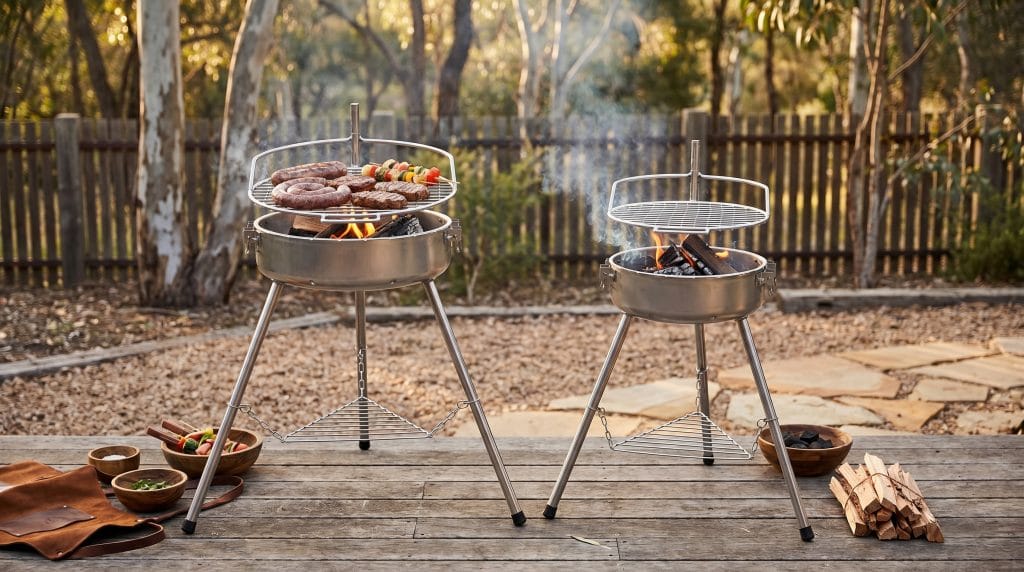
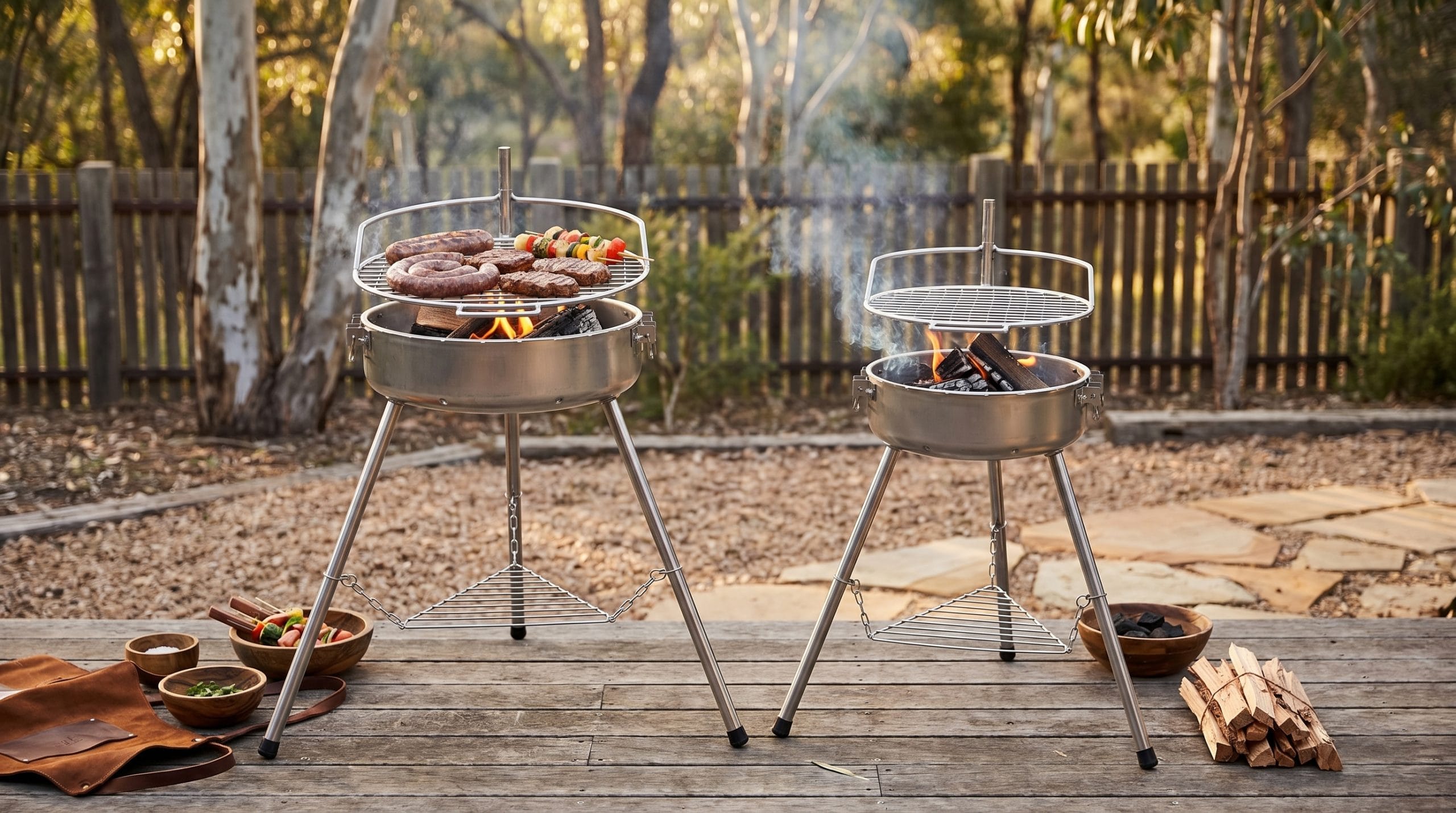
If you have narrowed your choice down to the OZ Braai Compact and the Mini, the honest answer is that you are choosing between two versions of the same idea: a handmade 304 stainless steel braai that doubles as a fire pit and takes a rotisserie. The Compact gives you more cooking space for bigger cooks. The Mini gives you less weight and a smaller pack-down for tight storage and solo trips. Everything else is close to identical, so the decision comes down to how many people you usually feed and where the braai has to live when you are not using it.
I have lit both many times. They behave the same once the coals are glowing. The difference you feel is at the edges: how much steak fits on the grid, how easily it slides into the boot, and how it stows in a small flat or a packed camper.
Compact vs Mini Braai: the quick answer
Buy the Compact Braai if you regularly cook for a group, and buy the Mini Braai if you mostly cook for one or two and need the smallest pack-down. The Compact runs a 500mm grid and the brand rates it for roughly six to eight people. The Mini steps down to a 400mm grid and the lightest, most travel-friendly footprint. Both are built from the same stainless steel, both convert to a fire pit, and both take the rotisserie brackets, so neither choice locks you out of any cooking style.
Side by side: the real differences
The differences that matter are size, weight and pack-down. Here is how they compare on the specs the maker publishes.
- Grid size: Compact has a 500mm grid; Mini has a 400mm grid.
- Weight: Compact is about 14kg; Mini is about 12kg.
- Pack-down: Mini packs away to roughly 45cm x 45cm x 16cm, which is the smaller, flatter footprint for storage.
- Capacity: Compact suits about six to eight people; Mini is better suited to solo trips and smaller, more intimate cooks.
- Material: both are 100% 304 stainless steel, with the Mini bin pressed from a rugged 2mm sheet.
- Shared features: variable grid height, fire-pit conversion, folding handles, a hanging bottom grid, rotisserie brackets, and similar carry bags.
What you actually get with the Compact Braai
The Compact Braai is the one to choose when you cook for a crowd. The Compact Braai runs a 500mm diameter grid, weighs around 14kg, and the brand rates it for roughly six to eight people, which is enough room for a full grid of chops, wors and veg with space to shuffle pieces between hot and cooler zones. The current version uses folding handles that double as the mount for the rotisserie brackets, and a bottom grid that hangs from chains for quick, secure setup.
It is still genuinely portable. At 14kg it lifts easily into a boot or camper, and it comes with carry bags to keep the soot off your gear. When the cooking is done, lift out the grid and it becomes a fire pit for the rest of the night. Take care moving it while it is hot: use heatproof gloves, lift from the handles only, and let it cool fully before you pack it away or stow it near anything flammable.
What you actually get with the Mini Braai
The Mini Braai is the one to choose when space and weight are the deciding factors. The Mini Braai has a 400mm diameter grid, weighs only about 12kg, and packs down to roughly 45cm x 45cm x 16cm, so it slides into a packed camper, a small car boot or a cupboard in a unit without a fight. The bin is pressed from 2mm 304 stainless steel, so the lighter weight does not mean a flimsy build.
It does almost everything the Compact does, just on a smaller plate. You still get folding handles, the hanging bottom grid, rotisserie brackets, and a cover for the bin and grid to keep the carry bag clean. For one or two people cooking a couple of steaks or a chook on the spit, the smaller fire is quicker to light and burns less fuel. The trade-off is simple: less room on the grid when guests turn up.
Which one should you buy?
Choose the Compact if your cooking leans towards family dinners, friends over, or camping with a group, because the extra grid space saves you cooking in shifts. Choose the Mini if you are mostly feeding one or two, travelling light, or storing the braai in a small space where every centimetre counts. If you can see yourself doing both, and you do not want to compromise, the Compact and Mini Braai Bundle pairs them so you have the big plate at home and the small one in the car.
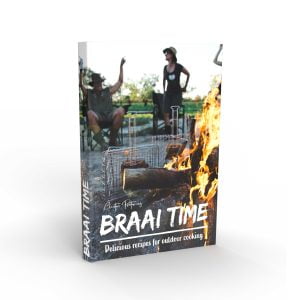
Free recipe ebook
Get our free braai recipe ebook
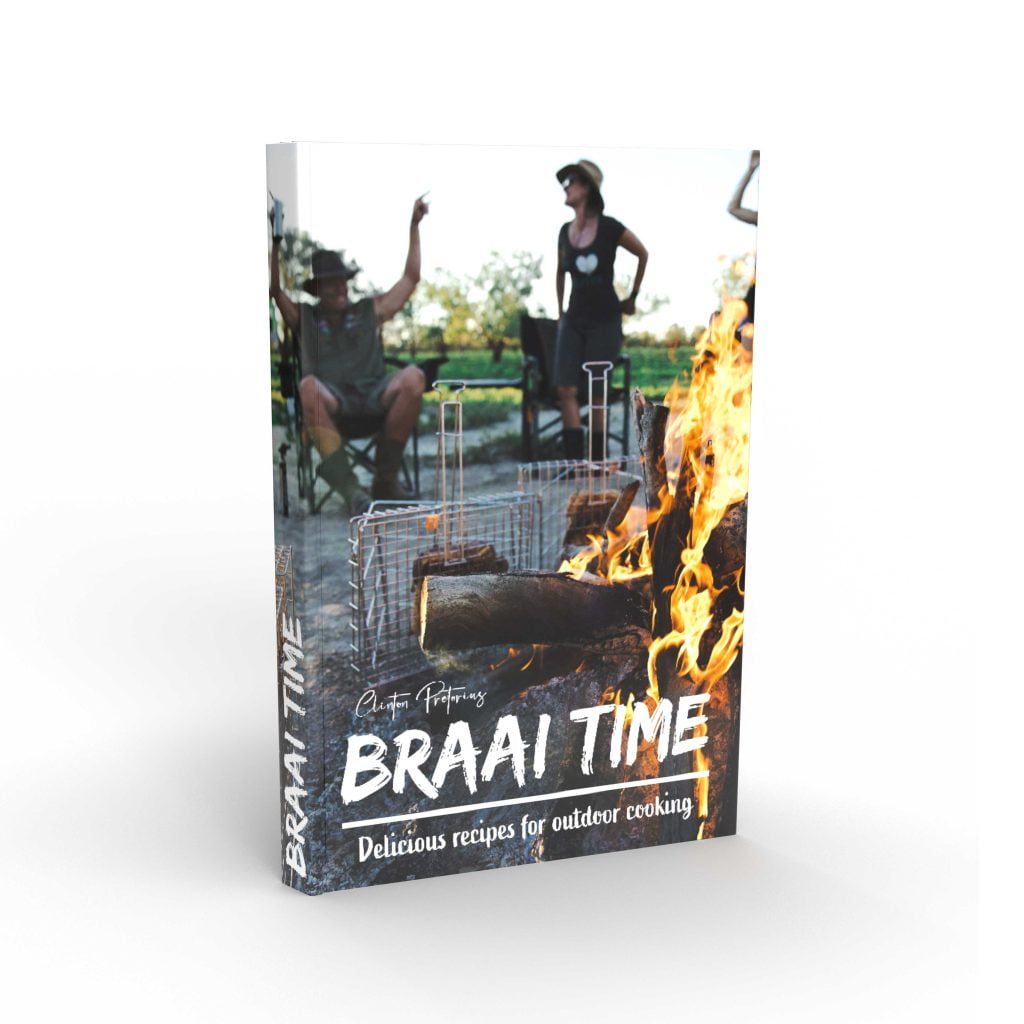
Braai Time: South African recipes, techniques and cuts, sent straight to your inbox.
Two add-ons are worth knowing about before you commit. A charcoal grate fits either model and lifts the coals for better airflow if you burn charcoal or briquettes more than wood. For roasting a chook or a leg of lamb, both braais accept a rotisserie kit via the same brackets, which turns either one into a spit. The rotisserie motor is sold separately, so factor that in if spit roasting is the goal.
Getting the best from either braai
Both braais live or die by your fire and your grid height. Build your coals to one side so you have a hot zone for searing and a cooler zone to finish, then drop the grid low for a hard sear and raise it to hold and rest. To check the heat without a thermometer, hold your hand a safe distance above the grid and pull away the moment it becomes uncomfortable; the faster you have to move, the hotter the fire. Once you have the heat sorted, a simple cook like the rump with Shiraz steak sauce shows off the sear, while Ricko’s spun lemon pepper chicken is a good first run on the rotisserie. Keep a hose or bucket of water within reach, never leave a live fire unattended, and check your local fire restrictions before you light up.
Frequently asked questions
What is the main difference between the Compact and Mini Braai?
Size and weight. The Compact has a 500mm grid, weighs about 14kg and suits six to eight people, while the Mini has a 400mm grid, weighs about 12kg and packs down smaller for solo trips and tight storage. Both are made from the same 304 stainless steel and share the same features.
Can both braais be used as a fire pit?
Yes. Both the Compact and the Mini convert to a fire pit: lift out the cooking grid and you have an open fire for warmth. Set your leg height before you light it and do not change the legs once a fire is going, and let everything cool fully before packing up.
Do the Compact and Mini take a rotisserie?
Yes, both have rotisserie brackets built into the folding handle design, so either model can run a spit. The rotisserie kit and its motor are sold separately, so budget for those if spit roasting matters to you.
Are they actually portable?
Both are. The Mini is the lighter and smaller of the two at around 12kg, packing to roughly 45cm x 45cm x 16cm. The Compact is still easy to move at about 14kg, and both come with carry bags to keep your gear clean.
Is the build quality the same on both?
Yes. Both are handmade from 100% 304 stainless steel, which resists rust and stands up to outdoor use. Because they are handmade, you may notice minor marks on a new braai, which do not affect how it cooks.
Shop the gear: compare the Compact Braai and the Mini Braai, grab both in the Compact and Mini Braai Bundle, and add a charcoal grate or rotisserie kit to suit how you cook.