
Blog
The Smell of Home: How to Build a South African Braai in Your Aussie Backyard
Jun
Key takeaways
- A braai is cooking over a live wood or charcoal fire, treated as a slow social event rather than a quick meal.
- South African hardwoods like Kameeldoring and Sekelbos give the authentic aroma and long-lasting coals of home.
- Always cook over glowing coals with grey ash, never leaping flames, and judge heat with the hand-above-the-grid test.
- Check local fire restrictions first; a total fire ban usually bans wood and charcoal fires entirely.
- Boerewors rolls and braaibroodjies are the fastest way to taste home around an Australian braai.
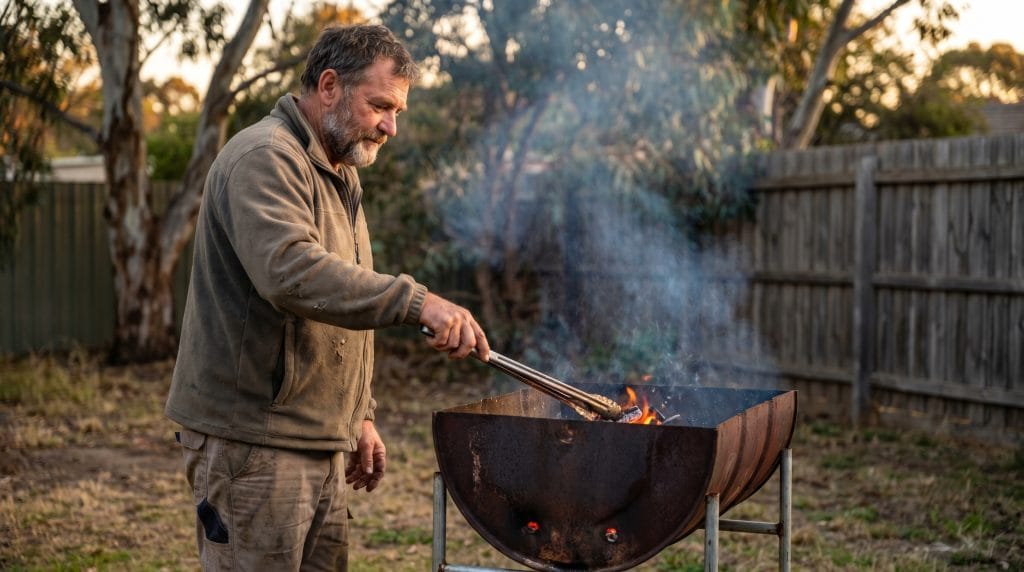
For a lot of South Africans in Australia, the homesickness does not hit in the supermarket or on the drive to work. It hits the first time a neighbour fires up a gas hooded barbecue down the street and the smell drifts over the fence. Close, but not quite. The braai you grew up with had woodsmoke in it, and the slow patience of an afternoon spent waiting for coals. Recreating that here is not hard. It just takes the right wood, the right rhythm, and a willingness to let the fire set the pace.
This is how to build a proper South African braai in an Australian backyard, the kind that smells like home and pulls people toward the fire long before the food is ready.
What makes a braai different from a barbecue
A braai is cooking over a live wood or charcoal fire, and it is as much a social event as a method. The host, or “braaimaster”, usually chooses the wood and tends the fire while everyone else gathers around with a drink and chats. That is the real split from a quick gas barbecue: a braai is unhurried, built around fire and company, not just getting dinner cooked fast.
There is etiquette to it too. The tongs belong to the person at the fire, and offering unwanted advice to the braaimaster is a quiet social crime back home. None of this is written down. You absorb it standing next to your dad or your uncle, drink in hand, learning by watching.
Start with the right wood
The smell of home comes from the wood, so this is where to start. Australian hardwoods burn beautifully, but they smell Australian. If you want the scent that takes you straight back to a Highveld evening, you need South African hardwood. Kameeldoring is the classic: dense, slow-burning, with long-lasting coals and that unmistakable aroma. Sekelbos lights a little more readily and gives a clean, hot fire, which makes it a good partner to the heavier Kameeldoring.
Store your wood dry and keep a safe clearance around the fire, well away from fences, eaves and dry grass. Before you light anything, check your local fire restrictions, because a total fire ban can make a solid-fuel fire illegal regardless of how careful you are. When in doubt, hold off and check with your state fire service.
Build the fire, then let it become coals
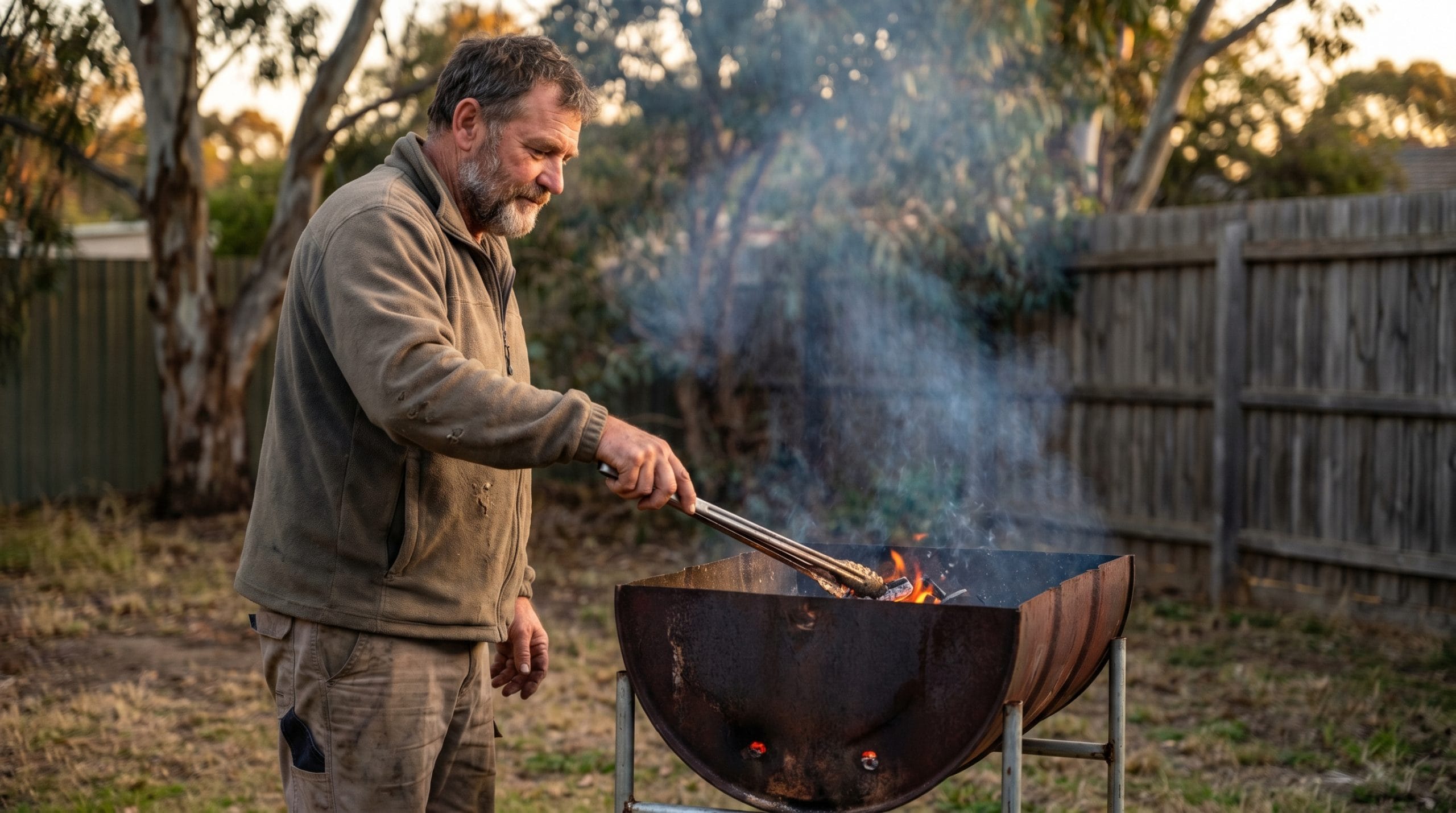
The single biggest mistake is cooking over flames. You braai over coals, not fire, so the patience is built in. Build your fire, let it burn down, and only start cooking once the wood has collapsed into glowing embers with a light grey ash. A charcoal chimney speeds up the lighting if you are running charcoal alongside your wood, and a long, sturdy set of tongs keeps your hands clear of the heat. The Donkey Long Tong was made for exactly this, reaching into the fire to rake coals without leaning over the flames.
To judge whether the coals are ready, hold your hand a safe distance above the grid: medium heat lets you hold it there for around four to six seconds before it gets uncomfortable. Pull your hand away the moment it stings, and never reach across live coals with bare skin. A good braai grid and tripod sits steady over the coals and lets you lift the food clear when the fire flares.
The food that tastes like home
Two things will do more for the homesick heart than anything else: boerewors and a braaibroodjie. A coil of boerewors on the grid, spitting and curling, is the sound and smell of a hundred Saturday afternoons. Serve it in a soft roll with caramelised onion and tomato relish and you have a proper boerewors roll, the worsbroodjie that needs no introduction.
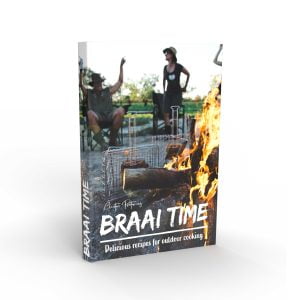
Free recipe ebook
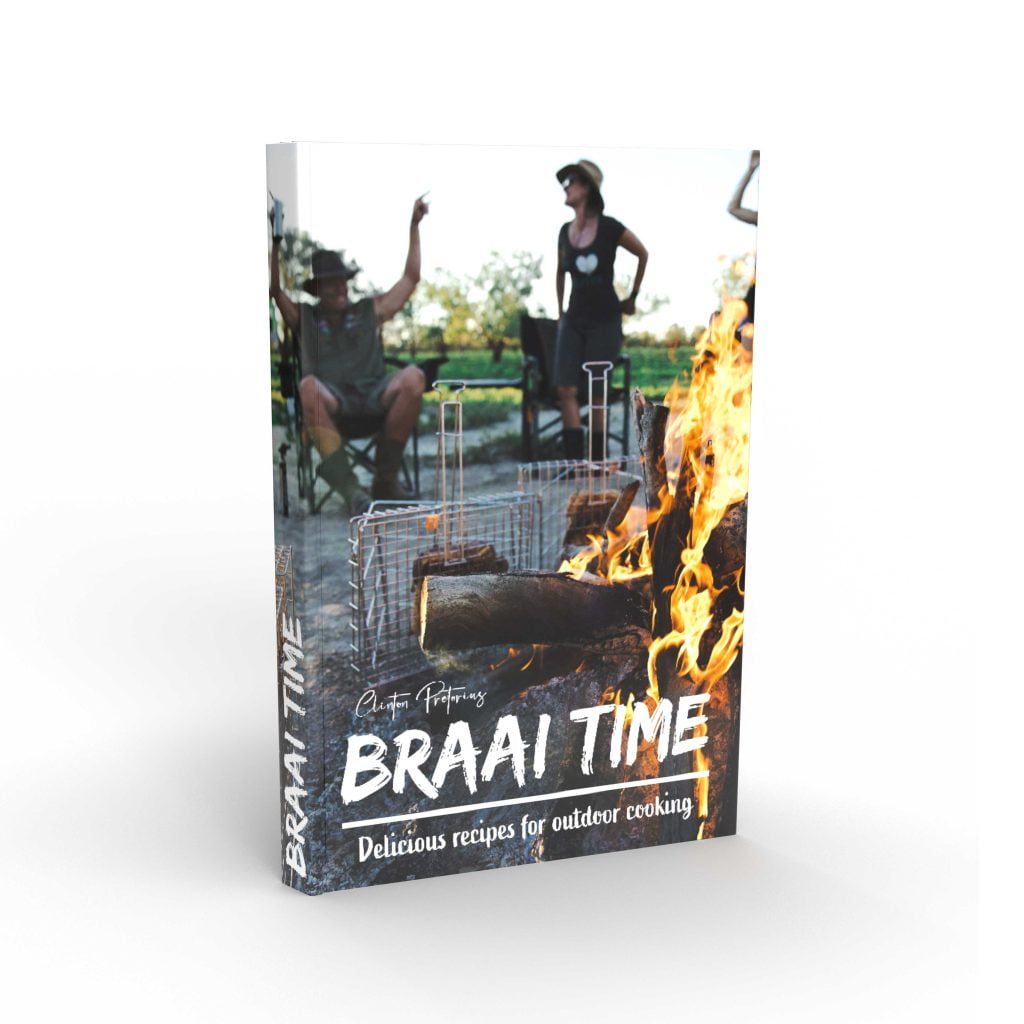
Get our free braai recipe ebook
Braai Time: South African recipes, techniques and cuts, sent straight to your inbox.
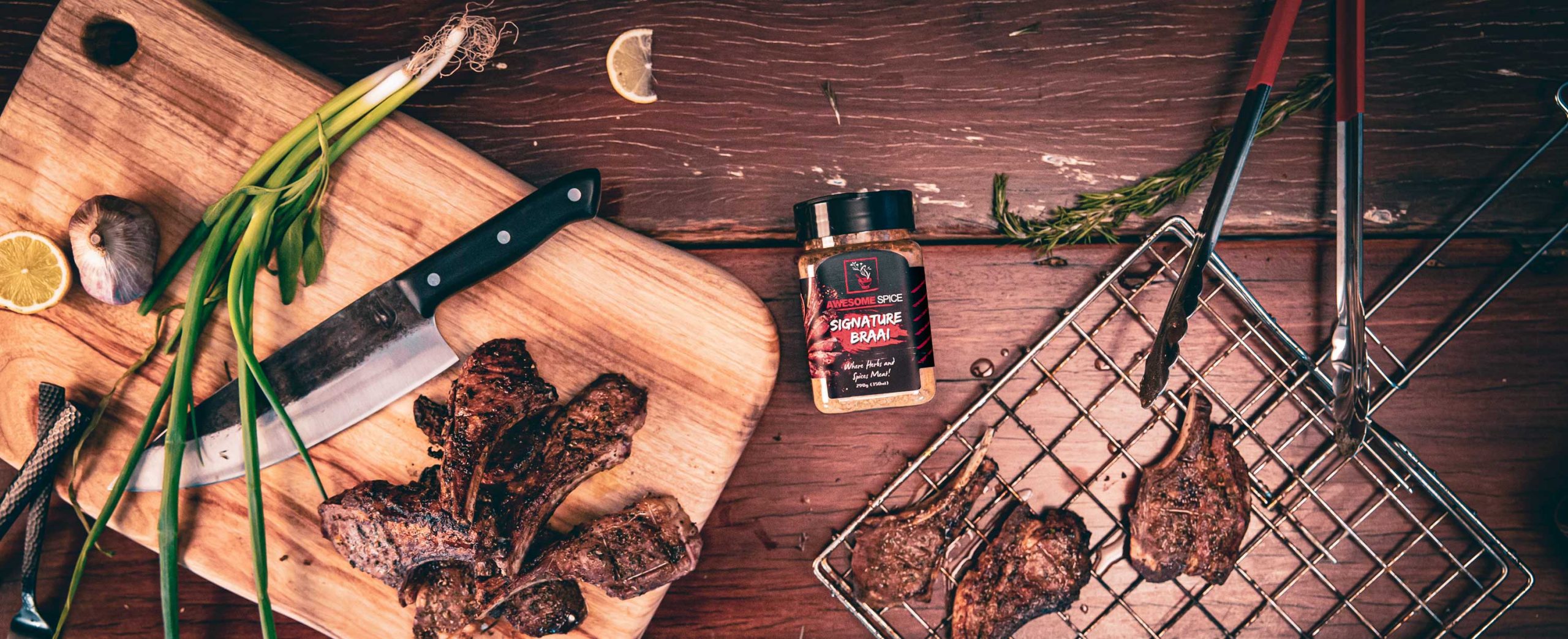
Then there is the traditional braaibroodjie, cheese, tomato and onion toasted in a hinged grid over the dying coals. It is the side dish that quietly becomes the main event. Season your meat simply and let the smoke do the work; a good all-purpose blend like Signature Braai Spice covers most of what lands on the grid. Raw boerewors and chicken should be kept cold until they hit the fire, and cooked through before serving, with separate tongs and boards from anything ready to eat.
The fire is the gathering point
The food matters, but the fire is the reason people come. Long before anything is cooked, the braai pulls everyone into a loose circle around the flames, and that is where the afternoon actually happens. In Australia, that circle does double duty. It is where you keep your own traditions alive, and where curious Aussie mates get their first taste of why a braai is not just a barbecue with a funny name.
You do not need a big setup to start. A patch of clear ground, the right wood, a steady grid and a couple of hours you are not in a hurry to spend. The rest looks after itself, the same way it always has.
Frequently asked questions
What is the difference between a braai and a barbecue?
A braai is cooking over a live wood or charcoal fire and is treated as a social occasion in its own right, with the braaimaster tending the fire while guests gather around it. A barbecue, especially the Australian gas-hooded kind, is usually faster and more about cooking the food than the ritual around the fire.
What wood gives a braai that authentic South African smell?
South African hardwoods like Kameeldoring and Sekelbos give the distinctive aroma and long-lasting coals you remember from home. Kameeldoring burns slow and hot, while Sekelbos lights more easily, and many people use the two together.
Can I braai during a total fire ban in Australia?
No, a total fire ban generally prohibits solid-fuel fires such as wood and charcoal. Rules vary by state and change daily in fire season, so always check your local fire service before lighting up.
How do I know when the coals are ready?
Wait until the wood has burned down to glowing embers covered in light grey ash, with no leaping flames. Hold your hand a safe distance above the grid: at a good medium heat you can hold it there for around four to six seconds before it gets too hot.
Shop the gear: Build your braai with Kameeldoring hardwood and Sekelbos hardwood, a braai grid and tripod, a Donkey Long Tong and a tin of Signature Braai Spice.